Safe Home
Border Collie Colors: What You See and What It Means
A practical guide to reading Border Collie coat colors, from phenotype to genotype, and knowing when to ask a vet or breeder.
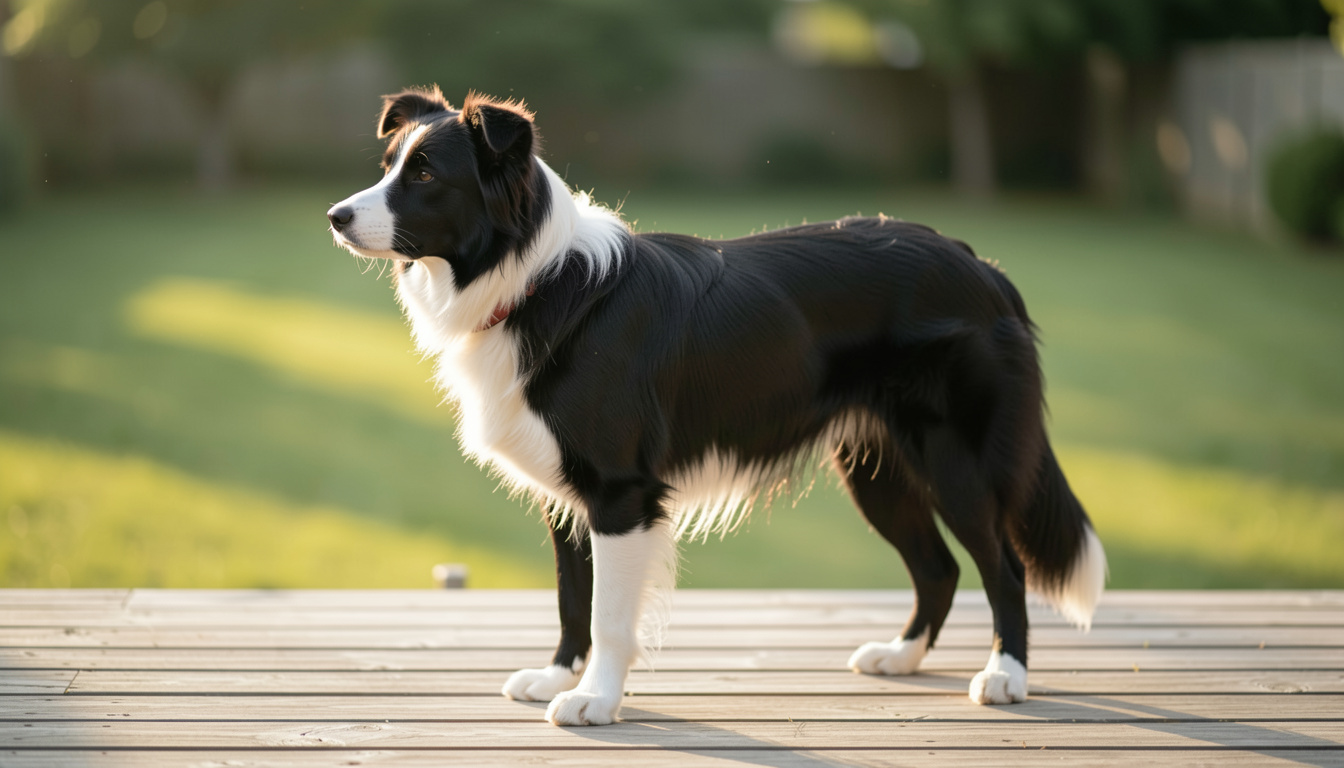
A Border Collie's color is not a single label. It is a visible trait shaped by genetics, and the same dog can be described in several ways depending on which layer you examine. Start with what you can observe, then decide whether you need a genetic explanation, a breed standard reference, or a health conversation. These are separate questions with separate evidence.
Start with the dog in front of you
Before you name a color, record what you actually see. Note the base pigment on the nose, eye rims, and paw pads. Describe the coat: solid, patched, merled, or ticked. Mark where white appears and how far it extends. This is the phenotype, the observable expression of a dog's genes. Two dogs that look similar may carry different genetic combinations, and one dog may carry a variant hidden by another gene. A photograph captures one moment in one light, not a genotype. If you want to move from observation to documented information, a resource like Border Collie Colors can help you separate what is visible from what is inherited. Use it as a reading path, not a catalogue of promises.
Why does the dog have these color combinations?
Color in dogs comes from two pigments: eumelanin, which produces black or brown, and phaeomelanin, which produces red or gold. The interaction of several loci determines how those pigments are distributed. The extension locus controls whether eumelanin or phaeomelanin is produced. The agouti locus controls where each pigment appears. The merle locus creates the mottled pattern seen in some dogs. The piebald locus controls white spotting. Because these loci interact, a dog can carry a hidden variant that does not show in its coat. For example, a dog may carry the gene for brown pigment but appear black because another gene masks it. This is why visual identification alone cannot confirm a dog's genetic makeup. A DNA test is the only way to know which variants a dog carries.
How do you tell a black Border Collie from a blue one?
Black is the most common base color in Border Collies. It results from eumelanin production along the extension locus. A black dog may have white markings on the chest, face, paws, or tail tip, but the base pigment is black. Blue, sometimes called slate, is a dilution of black. The dilution gene lightens black pigment to a gray or bluish tone. A blue dog's nose and eye rims are also diluted, often appearing gray rather than black. Lilac is a further dilution that affects both black and brown pigments, producing a pale, warm tone. These distinctions matter for identification, but they do not change a dog's health or working ability. A blue Border Collie is not rare or more valuable; it is simply a different expression of the same genes.
What about red, gold, and ee red?
Red or gold coats occur when the extension locus is homozygous for the recessive allele, often written as e. This genotype, called ee red, prevents the production of eumelanin in the coat. The dog appears red, gold, or yellow, but its nose and eye rims may still be black or brown depending on other genes. An ee red dog can carry genes for black or brown pigment that are hidden by the ee condition. This is why two red dogs can produce puppies of different colors if they carry different hidden variants. Red Border Collies are sometimes called Australian reds, but the color is the same genetically. The term is a historical label, not a separate breed.
How are patches and white areas arranged?
White markings in Border Collies are controlled by the piebald locus and other modifiers. Irish spotting creates white on the face, chest, legs, and tail tip. Extreme white can produce a mostly white dog with patches of color. Ticking adds small spots of color within white areas. Merle creates a mottled pattern of diluted pigment, often with blue or gray patches on a lighter background. Merle dogs can also have blue eyes. These patterns are distribution effects, not base colors. A dog can be black and white, red and white, or merle and white. The arrangement of patches is random and does not follow a fixed rule. Two puppies from the same litter can have very different patterns.
When should you ask a vet or a breeder?
Color is not a health diagnosis. Some coat patterns are associated with health conditions, but the relationship is complex. For example, merle to merle breeding can produce puppies with hearing or vision problems. Double merle dogs, those that inherit two copies of the merle gene, are at higher risk for these issues. A responsible breeder will test breeding dogs and avoid pairings that risk double merle. If you have questions about your dog's health, consult a veterinarian. A breed standard describes type and function, not DNA. The Border Collie standard focuses on herding ability, temperament, and structure. Color is a minor consideration. The American Kennel Club notes that color should not be the primary factor in choosing a Border Collie. Working ability and health matter more.
What a color name cannot tell you
A color name is a label, not a complete description. It does not tell you what genes a dog carries, whether it will pass those genes to puppies, or how it will perform in the field. It does not predict health. It does not determine temperament. When you read about Border Collie colors, keep the layers separate: phenotype, genotype, breed standard, and health. Each requires different evidence. A photograph can show you a pattern, but it cannot show you a locus. A DNA test can show you a locus, but it cannot tell you if a dog will be a good herding partner. The most useful approach is to observe carefully, ask precise questions, and seek expert advice when it matters.
For further reading on genetics and breed standards, the American Kennel Club provides breed information and the National Human Genome Research Institute offers educational resources on genetics. These sources can help you understand the science behind what you see.