Everyday Training
Everyday Training for Home Life
Practical reward-based training for home life with recall, loose-leash walking, calm greetings and clear cues that fit busy US family routines daily.

You can build recall, leash manners, calm greetings and clear markers with short reward sessions at home, even with children, work and school schedules crowding your day.
You will learn how to mark the exact moment your dog gets it right, how to practice recall in a hallway, how to walk without pulling on your block and how to greet guests without jumping, all with food rewards, play and rest worked into family life.
01What does reward-based training ask from you each day?
Reward-based work means you pay your dog for choices you want to see again. You use small treats, praise or a short game, and you repeat the setup so your dog can succeed often. This page draws on Whole Dog Journal's Training archive, with articles on positive reinforcement training with treats, relationship-based training and desensitization that can change behavior.
You do not need force or sharp corrections to start. The same archive includes articles explaining why alpha dog training is outdated, why balanced dog training is not recommended and why e-collar training is not recommended. For you at home, that means you can focus on timing, distance and rewards instead of confrontation at the door or on the walk.
02How do you set up a marker your dog can hear clearly?
A marker is a short sound or word that tells your dog which action earned the reward. Many homes use yes, others use a click, and the archive also discusses using dog sign language in training for households where a visual cue works better. Pick one marker and keep it the same for every person in the house so your dog hears one clear signal.
Say the marker the instant your dog does the right thing, then give the treat within a second or two. Practice with the sit first, because sitting is still and easy to mark. You can later use the same marker for recall, leash position and greetings, so each lesson stays connected for a busy family with little time to retrain.
03Recall starts in the hallway before it works outside
Recall grows from short distances with no distractions. Call your dog once from a few steps away in a hallway, mark and reward when your dog turns and moves toward you, then build distance room by room. Keep sessions under five minutes, end while your dog still wants more, and practice before meals when food has strong value.
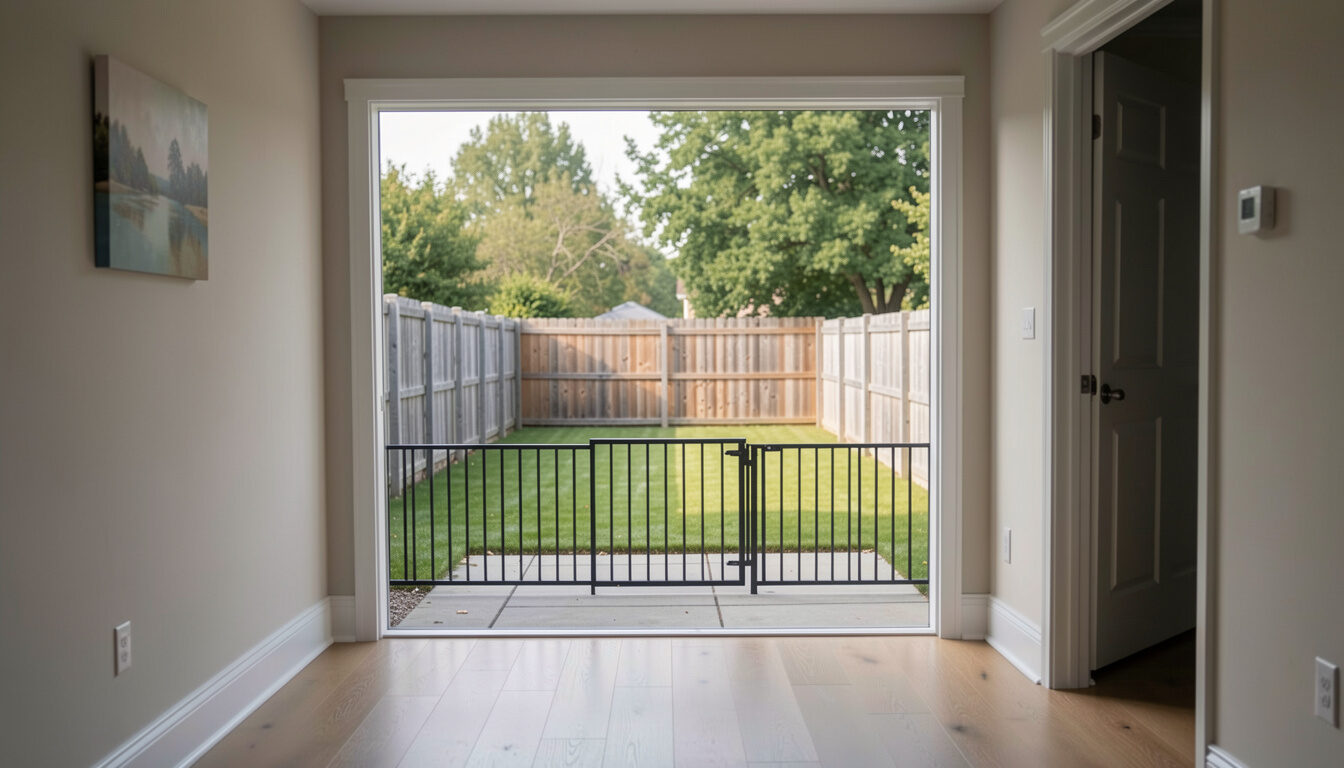
When the hallway recall looks solid, add mild challenge in a fenced yard or a quiet room with toys on the floor. The archive also covers how to train a dog to respond to a whistle, which can help when your voice gets lost in wind or house noise. You can read about that option and keep notes on a reliable come at home as you move from indoors to outdoors step by step.
04Loose leash skills for houses with little time
Loose leash walking starts with position, not distance. Reward your dog for standing or walking near your side for two or three steps inside, mark and treat, then pause. Repeat in different rooms, then try the front path at a quiet hour. Short loops work better than long marches when your schedule is tight.
If the leash goes tight, stop and wait for any glance or step back toward you, mark that choice and reward near your leg. You can browse the training library for dog owners during a quiet evening to see how exercise routine, loose equipment handling and calm pacing fit together. Keep notes on skills for calm neighborhood walks so every adult and teen in the house uses the same rules.
05Why do calm greetings need a plan for every door?
Jumping pays off when hands move, voices rise and guests laugh, so you need a clear replacement. Teach your dog that the doorbell means go to a mat, sit and wait for a treat. Practice with family first, with one person knocking while another rewards the stay, then invite a patient neighbor for a two-minute rehearsal.
Keep a jar of small treats near the entry and a leash on a hook so you can prevent rehearsal of jumping while you train. The archive includes an article on training a dog to ring a bell to go out, which shows how door habits can be shaped in small steps. Use the same idea for greetings and reward four paws on the floor before any petting starts.
06What do sit, down and small home habits teach first?
Sit and lie down give you polite ways to pause your dog in daily life. Ask for a sit before meals, before clipping the leash and before opening the back door. Ask for a down on a rug during dinner or homework time. The archive lists how to teach a dog to sit and how to teach a dog to lie down, plus how to teach a dog to play dead as a later trick built on the same body control.
House habits also matter for families with children. The archive covers how to train a dog to use a pee pad, which some apartment dwellers use during early routines, and it discusses developing a dog exercise routine that fits age and health. The Training page does not publish lesson times or prices in this archive, so you set length by your dog and stop before fatigue.
07How do you keep practice steady when life gets busy?
Short and regular beats long and rare. Place two treat stations, one in the kitchen and one near the door, so anyone can reward a good recall, a loose-leash moment or a calm greeting when it happens. Write the marker word on the fridge, agree on the release word that ends a stay, and keep rules the same for kids and adults.
Talk about cost and tools before you buy anything. The archive includes articles on the five golden rules of dog training, how much dog training costs and what choices exist in free dog training apps, which can help you compare ideas without leaving home. Pick one topic at a time, practice it for a week in real rooms and on real walks, then add the next skill.
Whole Dog Journal presents its work as health, wellness and positive training by American dog experts. Its Training archive gathers articles on sit, down, bell ringing, pee pad use, whistle response, sign language, desensitization, exercise routine, free apps, golden rules, cost, balanced methods, e-collar use, alpha ideas and play dead. Open the archive, choose the recall or leash topic that matches your week, and run one short reward session tonight in your hallway.
Guides in Everyday Training
Practical reward-based training for home life with recall, loose-leash walking, calm greetings and clear cues that fit busy US family routines daily.

Everyday Training
Why Training in Your Own Home Works
Why dogs learn faster at home with familiar distractions, plus how to set up short sessions, rewards, family roles and quiet practice spaces for progress.

Everyday Training
Building Reliable Recall at Home
Start reliable recall at home with name response, short distances, high-value rewards, leash safety and gradual outdoor practice for US yards.

Everyday Training
Calm Loose-Leash Walking Skills
Teach calm loose-leash skills with reward position, pace changes, stops and turns for relaxed walks around blocks, parks and busy sidewalks daily.

Everyday Training
How Reward-Based Training Works
How reward-based training works at home with timing, treat value, praise, play and clear markers that build focus without force or fear for families.

Everyday Training
Teaching Calm Greetings at the Door
Stop jumping with calm greeting practice, four paws rewards, door routines, guest help and short training games for polite family dogs at home daily.
Everyday Training
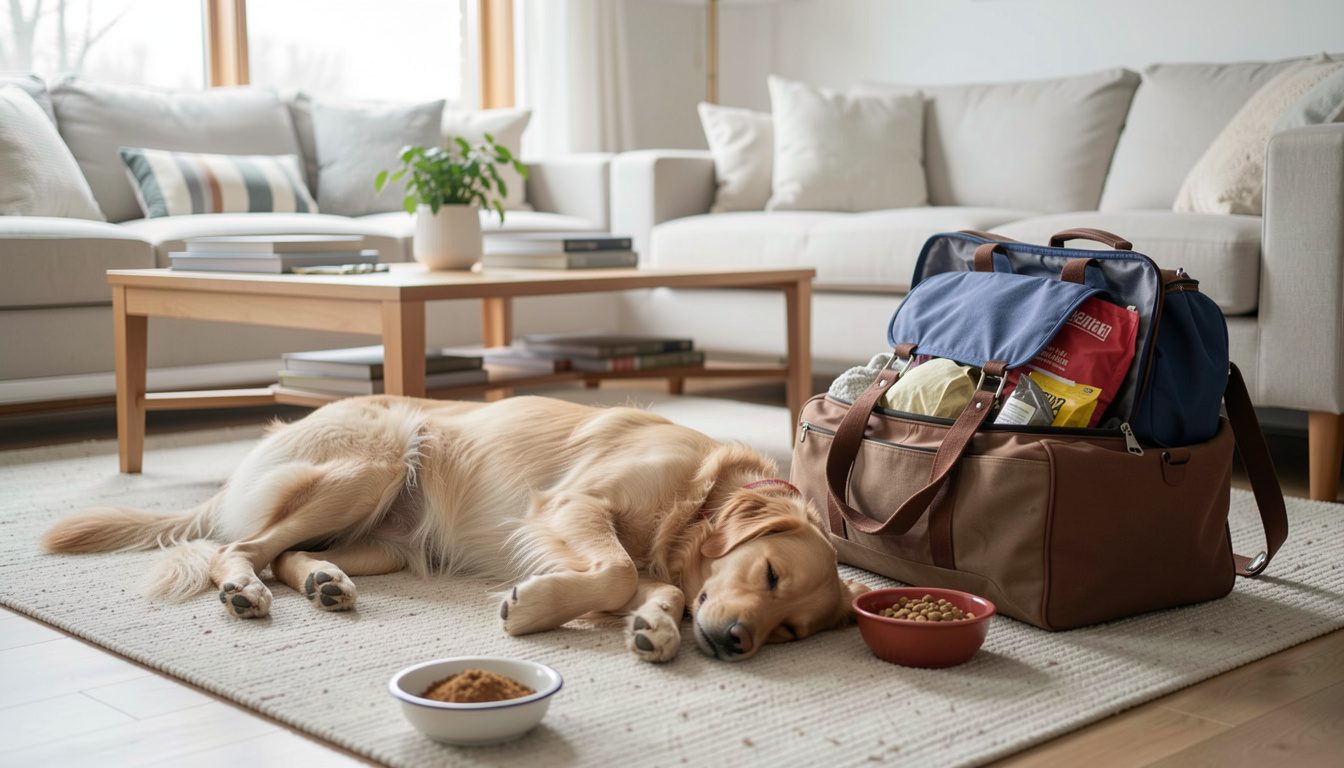
One Dog Across Two Homes
How to keep feeding, cues, rest and rules steady when a dog splits its week between two households, so the dog reads one calm life instead of two.
Everyday Training
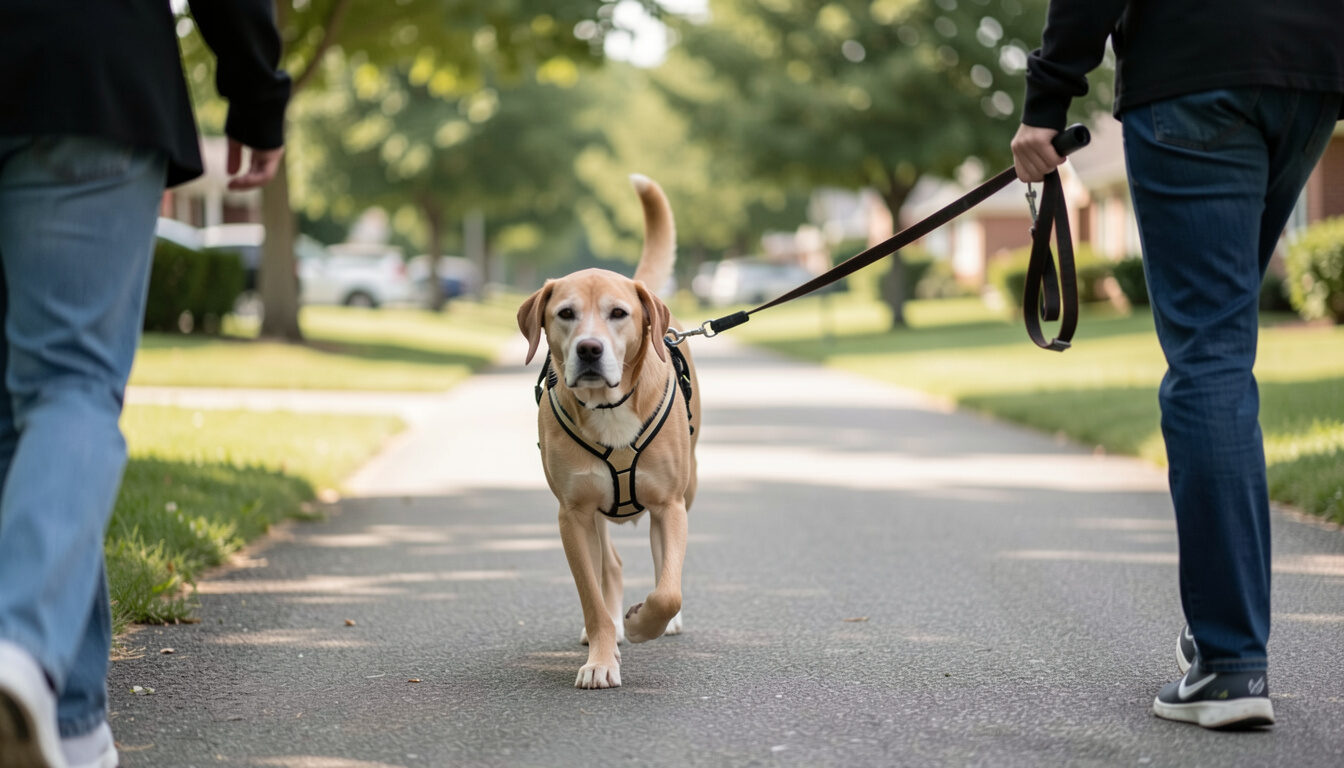
How do I train a dog to settle at a coastal viewpoint?
A settle routine for a dog taken to a coastal viewpoint: mat work at home, what to carry, reward timing and when to walk back to the car.
Everyday Training
What do Baptists believe about baptism and why do they immerse?
How Baptists understand baptism by immersion, how a Sunday service is ordered, and where American Baptists differ from Southern Baptists.
Everyday Training
Which camera settings hold a dog sharp when it runs in the garden?
Camera settings for a sharp running dog, a flash-free indoor portrait, and the exposure data worth comparing, with values you can check shot by shot.
Everyday Training
How can I tell a grey kangaroo from a wallaby on a trail?
Learn to tell kangaroos from wallabies, read wombat and koala signs, and name kookaburras, rosellas and black cockatoos on South Coast trails.
Everyday Training
What happens at a retriever hunt test weekend?
What retriever hunt tests ask of dog and handler, how marks and blinds are trained at home, and which health checks owners plan around.


