Safe Home
A Safe Home for Dogs and Family
A safety hub for US families covering body language, aggression signals, kid and dog rules, gates and finding a qualified trainer nearby for home safety.

You keep family life calm by reading early signals, holding a few kid rules steady, and using gates to shape space. The ASPCA Pet Care page frames these moments as common dog behavior issues and offers information that helps you address behaviors and habits around the house.
01What does calm family life look like with a dog at home
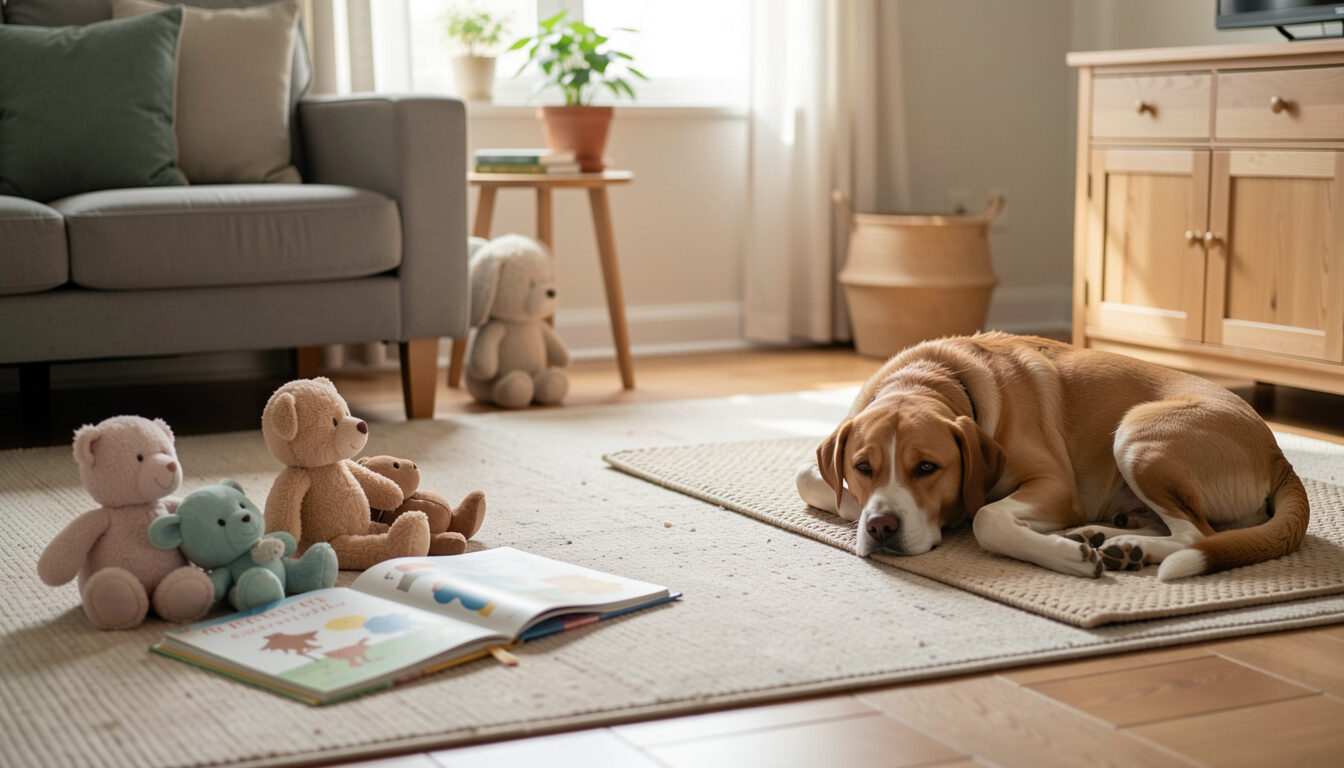
You feel it in the way the evening moves when everybody knows where to be. The dog has a bed near the wall, away from foot traffic, and chews stay on a mat while children play at the table. You keep voices low and movements slow, and you reward quiet settling with soft praise and a small treat placed on the bed. You keep doorways clear and shoes and food put away, so the room asks for rest instead of chase. When guests arrive, you guide the dog to the mat before the door opens, and you let greetings stay brief. This shape holds because each person repeats the same moves, and the dog meets the same picture every time.
You can connect this rhythm to daily feeding and rest rhythm without adding new rules, since steady times for meals, potty breaks, and sleep shape the rest of the day. You watch what happens after meals and after play, and you adjust bed placement or chewing spots so rest comes easily. You keep the living room layout stable across days, so children also remember where to walk and where to place toys. When the pattern slips, you return to the same order and let the house settle again.
02Why do early signals change the outcome in the living room
You catch more with your eyes than with your voice when the room gets busy. A pause near the doorway, a turn away from an outstretched hand, a stiff stand beside the couch, all tell you that pressure is rising before barking starts. You answer that moment by creating distance, by calling the dog gently to the mat, or by guiding children to give room. You avoid crowding, reaching over the head, or pulling the collar in a tight space, and you let the dog move away when movement eases tension. The why is simple, space lowers conflict while closeness during tension feeds it. You learn the household tempo, when play tips toward roughness, when restlessness follows a loud game, when quiet returns after a short break behind a gate.
You keep your own gestures readable, turning sideways, softening your shoulders, and speaking low. You reward the choice to step away, to lie down, or to look toward you instead of locking onto a child or guest. You note which corners trigger pacing and which times of day bring friction, then you change the setup rather than repeating a command louder. Over days, you build a shared language where a glance toward the bed earns calm attention and the room stays workable for everybody.
03How can kid rules stay simple enough to hold
You need rules a child can repeat without help, in the kitchen as easily as in the yard. You teach children to ask before touching, to leave a resting dog alone on the bed, and to keep faces away from food bowls and chews. You show how to offer a closed hand for a sniff, then to stroke the shoulder briefly and stop, and you praise gentle hands right away. Toys stay separate, with dog toys in a bin and child toys on shelves, so trading never starts over the same object. You stay close during every greeting, and you end the contact while it is still calm.
You can keep those habits aligned with safety rules for kids and dogs so the same words work in every room. You practice what to do when the dog takes a toy by mistake, stand still, call for an adult, and let the adult trade calmly. You rehearse door behavior, children step back from the entry while an adult manages the leash and the gate. You explain the why in plain terms, a sleeping dog startles when touched, a dog with food guards what feels scarce, a tired child and a tired dog both need a break. Simple words, repeated kindly, protect play for both sides.
04Where do gates change the rhythm of the house
You use gates to divide the home into zones that match activity, cooking, eating, playing, resting. A gate across the kitchen doorway lets dinner happen without a dog underfoot, while a gate near the stairs keeps nights quiet and mornings orderly. You open and close the same gates at the same times, so movement through the house feels predictable. You place a bed and water behind the gate where the dog waits, and you give a chew when you close it, so waiting links to rest rather than frustration. You see the same framing in the ASPCA note on common dog behavior issues that points you toward everyday habits you can shape at home. You check latches, hinges, and gaps with your hand, and you teach children how to enter and leave without leaving the barrier open.
You move the gates as life shifts, a new couch layout, a visiting relative, a rainy afternoon with more indoor play. You keep passages wide enough for adults carrying laundry, and you keep the dog area free of cords and small objects. You avoid using the gated spot as punishment, since the goal is a calm place the dog seeks on its own. When the dog settles quickly behind the gate, you mark that choice with quiet praise and let the house continue around it.
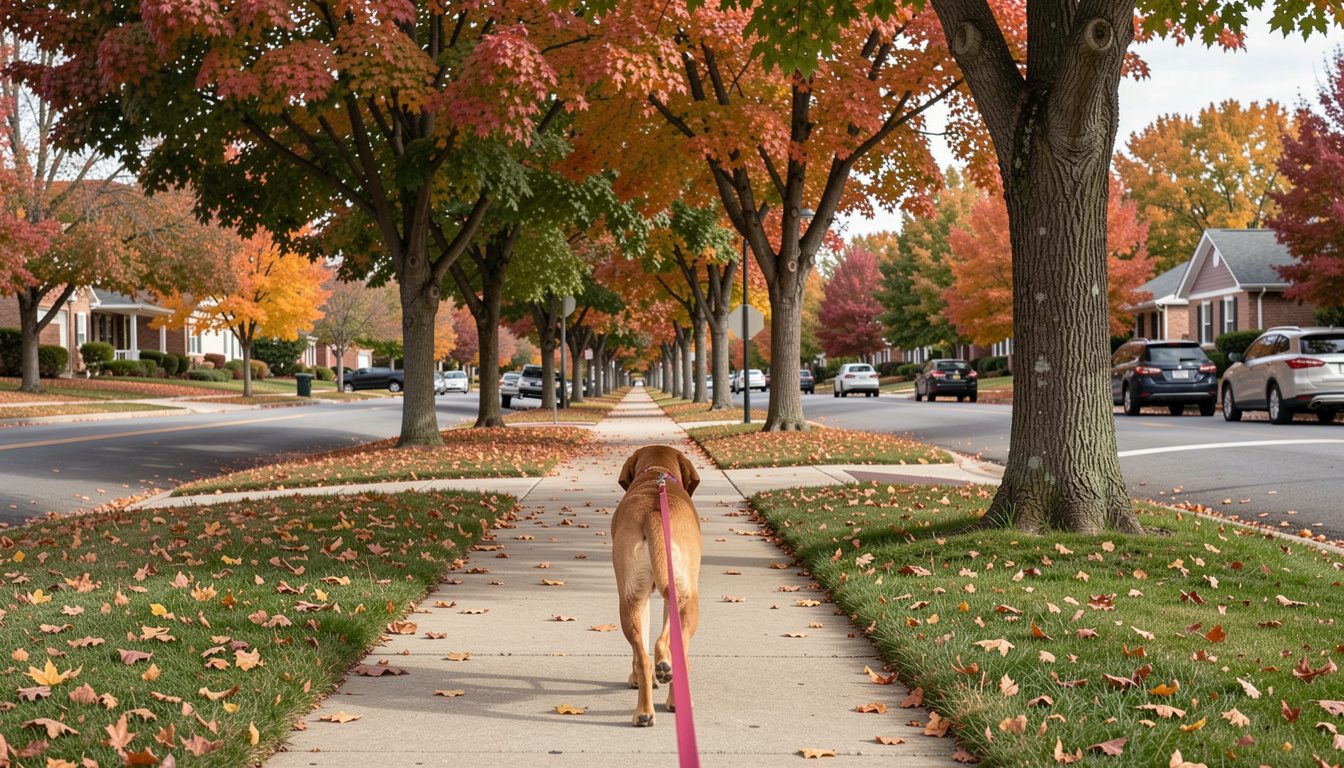
The gates and boundaries you keep indoors meet a wider set of expectations outdoors: containment, leash use and what follows a snap are all covered by local rules. A quiet evening with what local dog law expects of an owner rounds out the picture.
05When should you pause and give space
You pause when the game speeds up faster than anybody can steer it. Children running in circles, a ball bouncing near the couch, guests talking loudly at the door, all raise arousal and shorten patience. You call a break before trouble, guiding the dog behind the gate with a treat, handing children water and a seated activity, and letting the room cool. You resume only when bodies relax and voices drop. You also pause around meals, naps, and late evenings, when even friendly contact feels heavy. The break is not a correction, it is how you protect the next hour.
You build pauses into the day the way you build meals, after walks, after play sessions, after school rush. You keep the pause short and pleasant, with a chew on the mat and a book at the table. You watch for the return of soft movement and easy breathing, then you reopen the gate and let contact resume. When pauses happen often, you adjust the plan, with shorter play, clearer zones, and more rest built in.
06How do you use the Pet Care pages without getting lost
You start from the question the ASPCA page puts forward, why dogs do what they do, and you read for orientation rather than for a fixed recipe. The Pet Care section gathers information on common behavior issues and habits, which helps you name what you see at home and decide what to change in the setup. You match one idea at a time to your living room, one feeding spot, one resting place, one gate routine, and you observe for several days. The ASPCA page does not publish room by room gate plans. You therefore keep your notes concrete, where the dog rested, when pacing started, which gate helped, and you bring those notes when you seek local guidance.
You also notice that the site carries the appeal Help the ASPCA Put a Stop to Animal Cruelty, which reminds you that calm handling at home belongs to a wider care for animals. You keep handling gentle, you avoid harsh tools and shouting, and you reward the behaviors you want to see again. When progress stalls, you look for qualified help that works with reward based methods and family routines, and you ask how sessions fit around kids, gates, and daily schedules.
07What stays open when answers stay general
You accept that a general page cannot settle every household puzzle, since layouts, schedules, and temperaments differ. You treat broad guidance as a starting map, then you test small changes and keep what steadies your rooms. You keep expectations modest, with fewer greetings at the door, shorter play bursts, and clearer rest zones, and you let repetition do the work. You track patterns across weeks, not hours, and you adjust gates and bed spots as children grow and routines shift. Limits protect you from quick fixes, and they point you toward steady care.
You keep learning by watching the same scenes, meals, entries, evenings on the couch, and by writing down what helped. You share those notes with other adults in the home so rules stay consistent. You keep treats near the mat, leashes near the door, and gates latched as a matter of course. Small, repeated choices shape a house where dogs and children can relax side by side.
ASPCA is the organization that publishes the Pet Care section cited here.
The page titled Common Dog Behavior Issues asks why dogs do what they do and gathers information to help address behaviors and habits.
The site also carries the appeal Help the ASPCA Put a Stop to Animal Cruelty. Visit the Pet Care section when a new habit appears and read the entry before the next family meal.
Guides in Safe Home
A safety hub for US families covering body language, aggression signals, kid and dog rules, gates and finding a qualified trainer nearby for home safety.

Safe Home
Reading Aggression Signals at Home
Learn to read growls, stiff posture, lip licks and stares at home, plus safe responses and clear signs that a qualified professional should be called soon.

Safe Home
Kids and Dogs Safety at Home
Clear rules for kids and dogs at home with gentle touch, space, supervision, safe play and calm routines that prevent bites and stress for US families.

Safe Home
Wireless Fences and Indoor Gates
What wireless fences and indoor gates can and cannot do, plus training, supervision and safe boundaries for yards, doors, stairs and calm rooms.

Safe Home
Dog-Proofing Home Spaces That Calm
Dog-proof any home with safe chew options, gated spaces, trash security, cord care and quiet rest spots that reduce trouble and support calm.

Safe Home
Finding a Trainer in New Jersey
How to read a New Jersey trainer service area, credentials, methods and reviews to find reward-based help that fits family schedules and home needs.
Safe Home
The Dog Rules Your Town Already Wrote
How leash ordinances, fence duties and bite liability reach into your yard and your walks, plus the home habits that keep a US household on the safe side.
Safe Home
When should a parent look for help with a child's handwriting?
How parents can spot handwriting difficulties in children, what a handwriting assessment involves, and which school aids can be requested when writing takes


