Puppy Start
Starting Life With a Puppy at Home
A gentle start hub for US puppy homes covering first weeks, daily routines, crate sleep and positive foundations for calm family life together in any home.

Here you will learn what the ASPCA dog care page covers during your first weeks with a puppy and how to use it when you need a daily rhythm, a sleep spot and a calm start. The answer is short: the page offers guidelines from veterinarians and behaviorists about health and daily activities, and its title lists grooming, nutrition, disease and behavior.
01What the page sets out for you
You open the page and you see a broad title. The title names Dog Care and it adds grooming, nutrition, disease and behavior. That scope tells you where to look. You find health themes next to daily life themes. You do not find a day plan with hours and steps. You read it as orientation, not as a schedule for your kitchen or living room.
The description states that veterinarians and behaviorists offer these guidelines regarding health and daily activities. That line tells you who stands behind the text. You can keep that in mind when you compare headings. The ASPCA page does not publish feeding amounts, potty times or sleep hours. It does not publish a crate plan or a night plan. You note the gap and you keep your own notes for your vet.
02How do you use general guidelines in a busy home
You start with your rooms, not with theory. You look at where the food bowl sits, where the door to the outside opens, where shoes and cords lie on the floor. You read the guideline headings with those places in mind. You ask which heading relates to the entry, which relates to the kitchen, which relates to the yard. You write the questions down instead of trying to remember them.
Leash and Living Room speaks in that same practical tone. It talks about puppy routines, recall, leash skills, kid safety and gates for calm everyday life together. It sells no service and it names no trainer. You can use that frame to sort what you see at home. You keep one sheet for meals, one line for potty trips outside, one line for rest in a quiet corner.
03What about meals and potty breaks when no chart is given
The ASPCA page does not publish a feeding chart. It does not publish portion sizes, meal times or potty intervals. The title names nutrition, but the page leaves the numbers open. That limit shapes how you use it. You do not pull a time from the page. You observe your own day and you bring that record to your vet for advice on food type and timing.
You can build that record in plain form. You note when you put food down and when you lift it. You note when you step outside and what happens there. You note water, play and rest around those points. After a few days you see a pattern in your household. You keep the pattern flexible while your puppy settles, and you let your vet adjust it.
04Where does sleep fit when no schedule is listed
The ASPCA page does not publish a sleep schedule. It does not list crate steps, night waking times or room setup. You still need a sleep spot you can manage. Many homes use a crate or a gated corner in a quiet room. You watch where your puppy settles on its own and where noise breaks rest. You keep that spot steady from day to day so the surroundings stay readable.
You can read the guidelines for health and daily life with sleep in mind and see how grooming, nutrition, disease and behavior sit side by side. That reading does not give you a bedtime. It gives you headings to discuss with your vet, such as coat care, food, health signs and daily habits. You take those headings home and you match them to your floor plan and your family rhythm.
05How can calm contact stay simple in the first weeks
You keep contact brief, quiet and reinforced with food or play as your vet and your household allow. You speak in a low voice. You wait for four paws on the floor before you pet. You turn aside when jumping starts and you try again after a pause. That style fits the reward approach that Leash and Living Room describes for homes in the United States, with recall, leash skills and kid safety in mind.
You can review reward habits that work at home to shape how you time food and praise in the living room. You keep sessions short and you stop before excitement rises. You use the same words from one person to the next so your puppy hears a stable signal. You note what precedes barking, mouthing or jumping, and you change the setup before you change your tone.
06What stays open for your vet and your household
The ASPCA page does not publish diagnoses. It does not publish treatment steps, product names or doses. The title names disease, but the page leaves clinical detail open. That boundary matters. You use the page to frame questions about skin, coat, ears, stool, appetite and energy. You let your vet link those signs to care for your puppy.
You can compare that frame with a routine for meals and potty breaks and see where your day needs support. You check mornings first, then midday, then evenings. You look at doors, stairs, trash cans and quiet corners. You adjust gates, leash storage and toy rotation so each part of the day has a clear place and a clear next step.
07How to keep the ASPCA page at hand
The page is titled Dog Care with grooming, nutrition, disease and behavior. The description states that veterinarians and behaviorists offer guidelines regarding health and daily activities. The page also carries a call to help the organization put a stop to animal cruelty. That is what you find there, and that is all the ASPCA page states for this article. It does not state a routine, a crate method or a training sequence.
Tonight, put the four title words on one sheet, add two questions for your vet and one note about your quiet corner, then set that sheet where you prepare food in the morning.
Guides in Puppy Start
A gentle start hub for US puppy homes covering first weeks, daily routines, crate sleep and positive foundations for calm family life together in any home.

Puppy Start
Your New Dog First Three Weeks
A calm three-week plan for a new dog at home with decompression, routines, safe spaces, gentle introductions and early positive training foundations.

Puppy Start
A Simple Puppy Daily Routine
Build a simple puppy day with feeding times, potty breaks, naps, play and training moments that prevent accidents and support calm house habits.
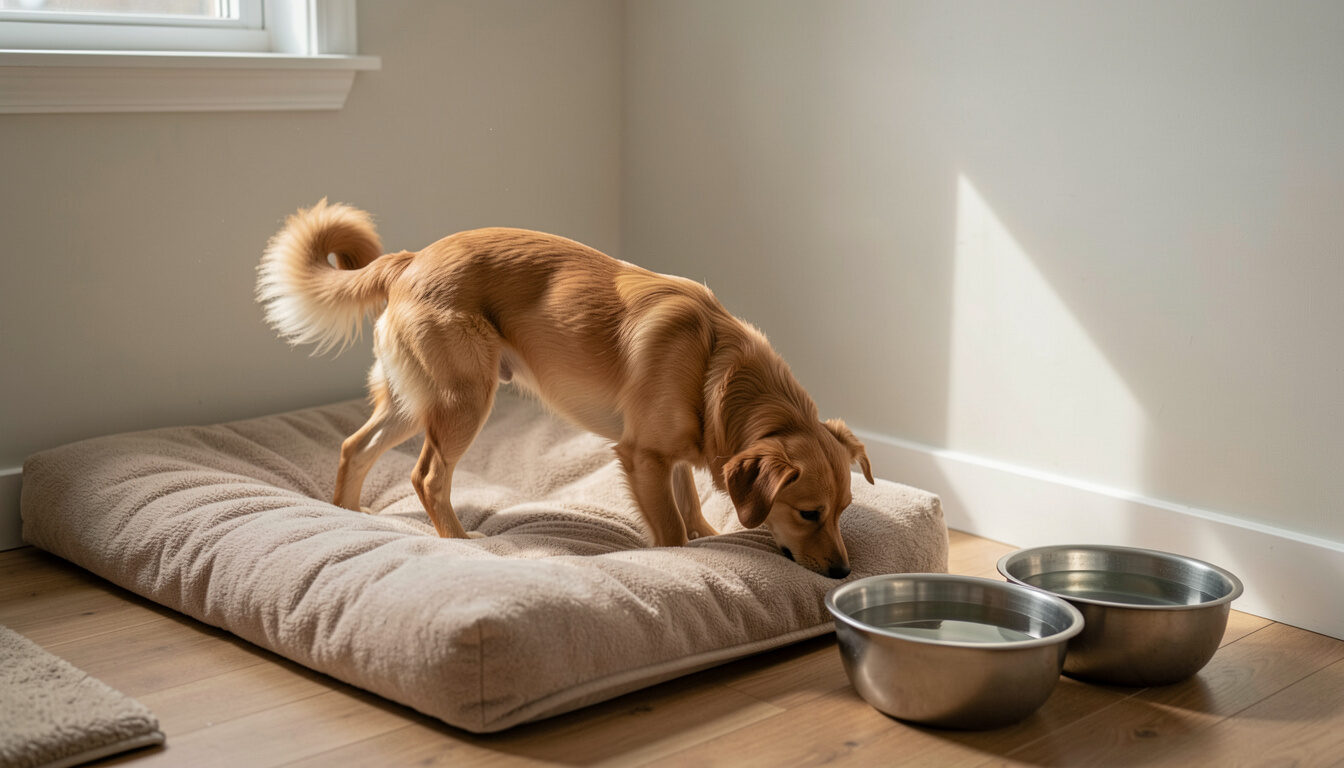
Puppy Start
What do the pedigree and the breeding book number tell a future owner?
What a future owner should read in a Belgian Shepherd's pedigree, breeding book number, and judgement card, plus how much daily activity a Tervueren needs.
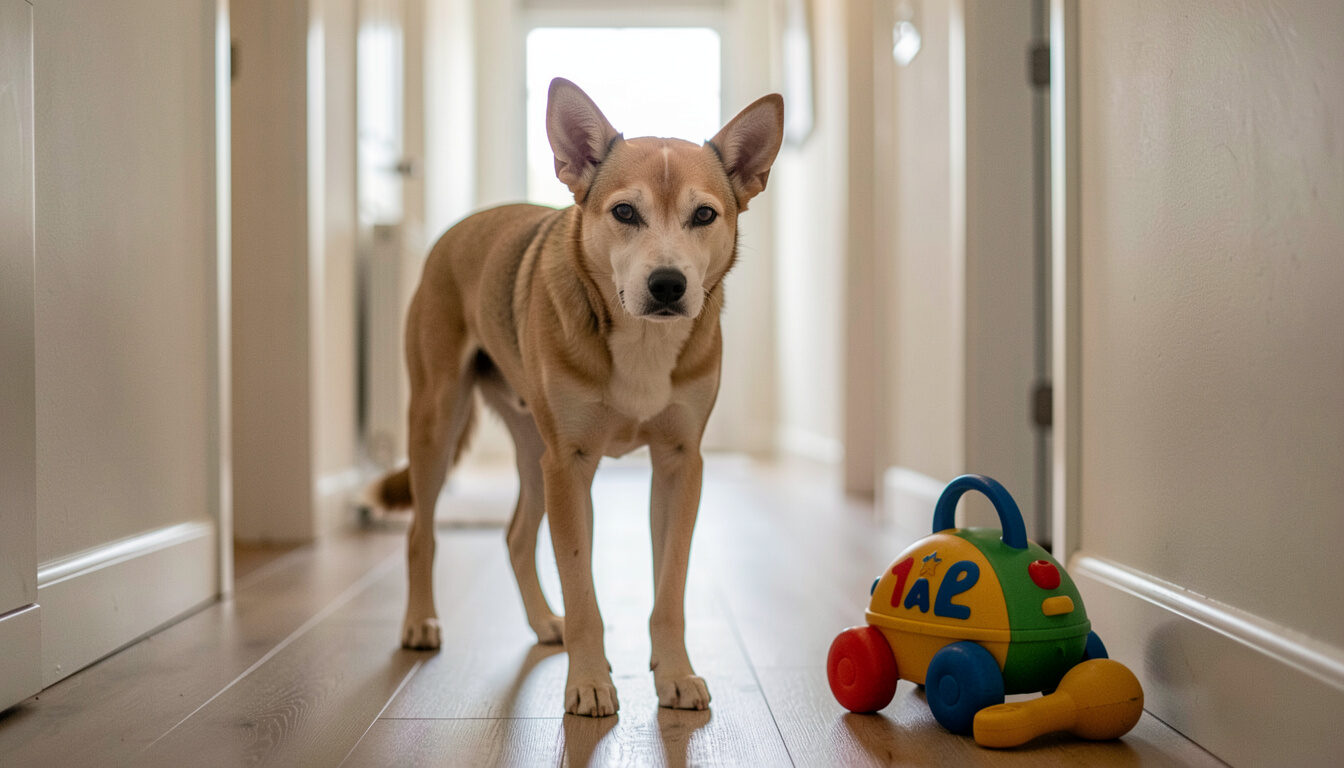
Puppy Start
What does a Kuvasz need from its owners day to day?
A white livestock guardian dog asks for early socialisation, steady routines, coat care, suitable food and health checks. What owners should plan for.


